
Google Review Guidelines 2026: What Changed and What Didn’t
Google changed its review rules again in 2026, and the small details matter more than most businesses expect. A harmless-looking template, like asking a customer to name a staff member, can now cross the line.
If you manage local SEO, online reviews, or a multi-location review program, the update affects how you ask, what you ask for, and who trains the team. The good news is that the rules are clearer than they look once you separate confirmed policy changes from the old best practices.
Key Takeaways
- Google’s 2026 update bans review quotas for staff and requests pushing specific wording, like mentioning employee names, products, or keywords.
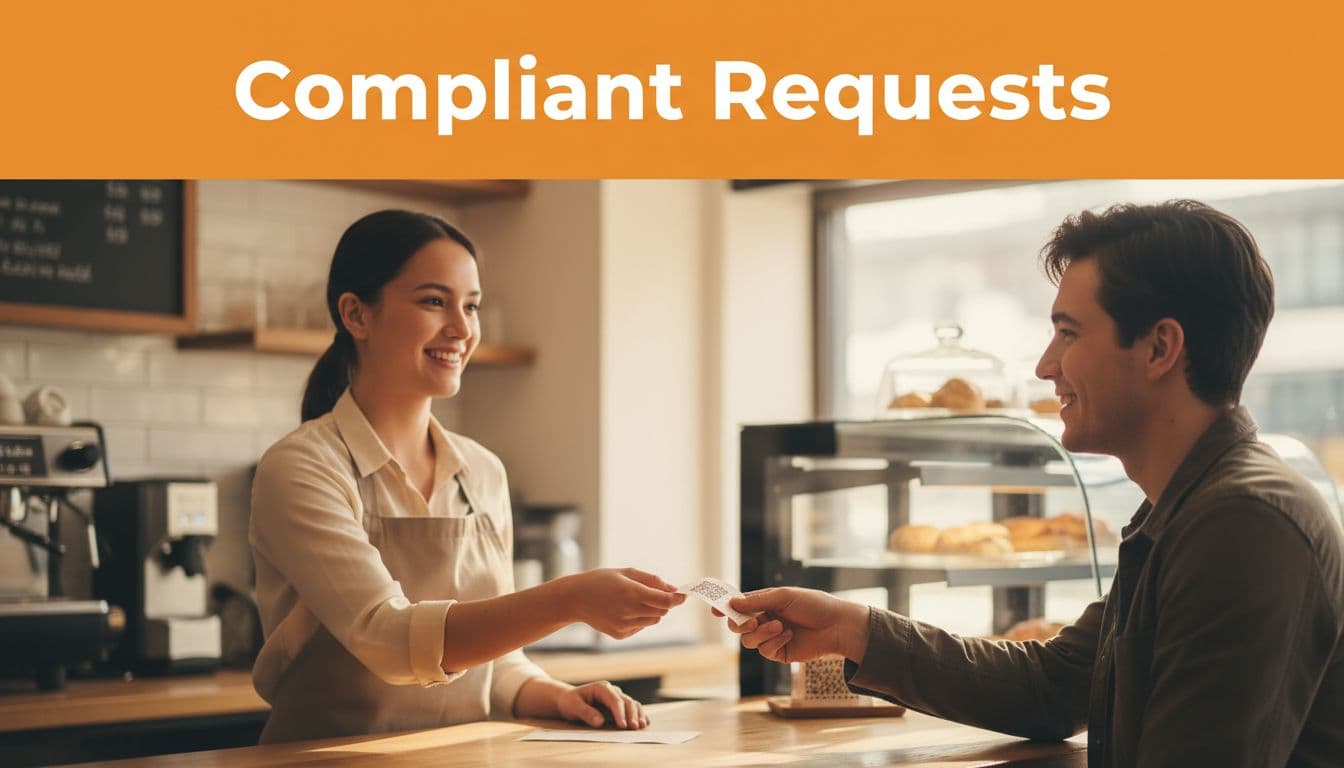
- Compliant requests are simple and open-ended, inviting honest feedback from every eligible customer without incentives, gating, or on-site pressure.
- Natural review growth supports local SEO and trust better than scripted campaigns, which risk looking artificial to algorithms and users.
- Standardize one approved request template, monitor for policy violations, and report only clear fakes using Google’s tools.
- Review and rewrite old templates now to avoid penalties, focusing on process compliance over volume.
What Google confirmed in 2026
Google updated its Google Business Profile and Google Maps review policy in April 2026. The core idea stayed the same, honest reviews are welcome, but review steering is not.
New limits on how you ask
The biggest confirmed change is simple. Google now bans review quotas, a form of rating manipulation, and review requests that push specific wording as prohibited and restricted content. A manager can’t tell staff to collect a set number of reviews, and a business can’t ask customers to mention a particular employee or exact phrase.
For the source language, Google’s Maps user-generated content policy is the clearest official reference. It explains how Google handles rating manipulation and other policy-violating content.
Rules that still apply
The user-generated content policy remains the primary reference for these rules. Incentives, fake reviews, review gating, inappropriate content, and pressure at the point of sale are still a problem. If a review breaks Google policy, the right move is to use the report inappropriate reviews tool, not to argue with the customer or try to trade something for a change.
The safest ask is simple, invite honest feedback and leave the wording alone.

What businesses should stop doing now
If your review process still uses any of these habits, cut them out.
- Setting review quotas for staff.
- Asking customers to mention employee names, products, or keywords.
- Offering discounts, gifts, or perks for reviews, which leads to fake reviews and creates a conflict of interest.
- Asking only people who seem happy.
- Pressuring customers while they are still on site.
- Asking for edits or removals in exchange for a benefit.
A polite request is fine. A coached request is not. Avoid automated or scripted review solicitation to remain compliant, since once a review ask starts to sound like a script, it stops feeling like customer feedback and starts looking like manipulation.
Compliant versus non-compliant review requests
A quick side-by-side helps separate the safe ask from the risky one.
| Situation | Compliant request | Non-compliant request |
|---|---|---|
| After a service visit | “If you have a minute, we’d love your honest Google review.” | “Please leave us 5-star ratings tonight.” |
| Staff mention | “Tell us how your visit went.” | “Mention Maria by name and say she was amazing.” |
| Team coaching | “Ask every eligible customer for feedback.” | “Each rep needs 15 reviews this month.” |
| Customer selection | “Send the same follow-up to all customers.” | “Only ask the customers who smiled.” |
The pattern is clear. Compliant language invites customer feedback. Risky language tries to shape the customer feedback. The goal of a compliant request is to capture a genuine experience rather than a scripted one. That is where the line sits in 2026.
Why the update matters for local SEO and trust
Online reviews still matter because customers rely on them fast. They scan ratings, read a few comments, and decide whether to call, click, or keep moving.
That is why business reputation management now has to include review flow, response speed, policy checks, and the way users consume online reviews. For local SEO, steady fresh reviews on Google Maps directly impact local visibility and work better than a burst that looks forced.
A profile that grows naturally tends to build more trust. A profile that jumps from a template campaign can create fake engagement and look artificial, even if the star average goes up. Search algorithms prefer natural growth for this reason. That matters because trust affects clicks, calls, and conversions before a customer ever visits your site.
How reputation teams should adapt
For agencies and multi-location brands, the fix is process, not panic. Reputation teams should build one review policy, one approved request, and one clear response path, while monitoring Google Maps for issues like spam or illegal activity.
That is where online reputation management services matter, because review collection now needs the same care as search and content. Many online reputation management companies still talk about volume first, but the better ones talk about compliance first.
If you’re sorting vendors, the reputation management company guide can help you compare review support, response work, and recovery planning. A strong reputation management company should know when a review is removable according to Google’s content policies, when it needs a response, and when it belongs in broader online reputation repair.
If a problem already exists, reputation repair services should start with policy cleanup. Only then should they move to suppression, response strategy, and profile hygiene. A Reputation Repair Company that understands Google will not push shortcut asks.
An Online Reputation Expert knows the difference between customer service and review moderation. That matters because online reputation repair works best when it respects the platform rules and the customer’s actual experience, especially when handling negative reviews.
For a plain-English overview, online reputation management explained shows how review work fits into the bigger picture. That bigger picture includes response timing, content quality, and the tone of your public replies.
What to do if you already have risky templates
Old review request templates are where many businesses get tripped up, especially those used for your Google Business Profile listing and its appearance on Google Maps. If your email, text, or checkout script asks for a named employee, a star rating, or a specific phrase, rewrite it now.
Start with a broad ask, then keep it consistent. Ask every eligible customer the same way, at the same time, through the same channel. That gives you a cleaner review process and fewer policy headaches later.
A practical review program also needs a response plan. Thank positive reviewers, respond to negative reviews without defensiveness, and identify and report only the fake reviews that clearly violate terms. That keeps your reputation management work focused on facts, not guesswork.
Frequently Asked Questions
What changed in Google’s 2026 review policy?
Google banned review quotas for staff and requests that coach specific wording, such as mentioning employees or exact phrases. The core rules against incentives, fake reviews, and review gating remain the same. This clarifies the line between honest solicitation and manipulation.
What makes a review request compliant?
Compliant requests are broad and simple, like “We’d love your honest Google review,” sent to all eligible customers. Avoid asking for star ratings, staff names, or keywords, and never set quotas or offer rewards. The goal is genuine feedback, not shaped responses.
Can businesses offer incentives for reviews?
No, incentives like discounts or gifts create conflicts and lead to fake reviews, violating policy. Even asking for positive reviews in exchange for perks is prohibited. Stick to polite, reward-free invitations for honest input.
How should businesses handle risky old templates?
Rewrite templates immediately to remove specific phrasing, quotas, or incentives. Use one consistent, open-ended ask across all channels and customers. Test before campaigns and pair with a response plan for new reviews.
Why do natural reviews matter for local SEO?
Customers trust steady, genuine reviews over sudden bursts, influencing clicks and decisions. Search algorithms favor natural growth, boosting Maps visibility. Compliant practices build real reputation without risking penalties.
Conclusion
The 2026 update did not change the basic idea behind Google review guidelines. It only made the line clearer. Ask for honest feedback, avoid quotas and scripted wording, and keep your review process open to every customer.
That approach protects local SEO, supports customer trust, and lowers the risk of cleanup work later. It also gives your team a review system that feels real, which is the point of reviews in the first place.
Simple compliance checklist:
- Ask every eligible customer, not only happy ones.
- Keep requests open-ended and honest.
- Never ask for staff names, keywords, or star ratings.
- Do not set review quotas for employees.
- Do not offer rewards for reviews or edits.
- Monitor new reviews daily and report only real policy violations, such as inappropriate content, off-topic content, hate speech, sexually explicit content, or review extortion; use the appeal process for wrongly removed content.
- Review your templates before every campaign launch.
Remember, fake reviews should never replace a genuine experience.

Recognized for Growth.
Relentless for Our Clients.
We're proud to be named to the 2025 Inc. 5000 list, ranking Reputation Rhino among America's fastest-growing private companies. This recognition places us in the elite 0.07% of all privately held businesses an achievement that reflects our innovative approach and the enduring trust of our clients.
From high-net-worth individuals to Fortune 500 companies, our clients trust us to protect what matters most their reputations. This honor reflects the impact of that work and the world-class talent driving it forward.
You won't find cookie-cutter solutions here, just real results built by the best in the business.
Your reputation is your most valuable asset. Trust it to the proven leaders.

Reputation Rhino is an award-winning online reputation management company helping individuals and companies of all sizes to build, protect, and repair their online image.


Reputation Management Services
Reputation Management Resources
About Us
Contact Information
Corporate Headquarters
442 5th Ave #1075
New York, NY 10018
888.975.3331
info@reputationrhino.com
Florida Office
28210 Paseo Drive
#190-123
Wesley Chapel, FL 33543
© Copyright ReputationRhino.com. All Rights Reserved